Budget First, Spins Second: Picking the Right Nohu Slot Before Your Paycheck Picks For You
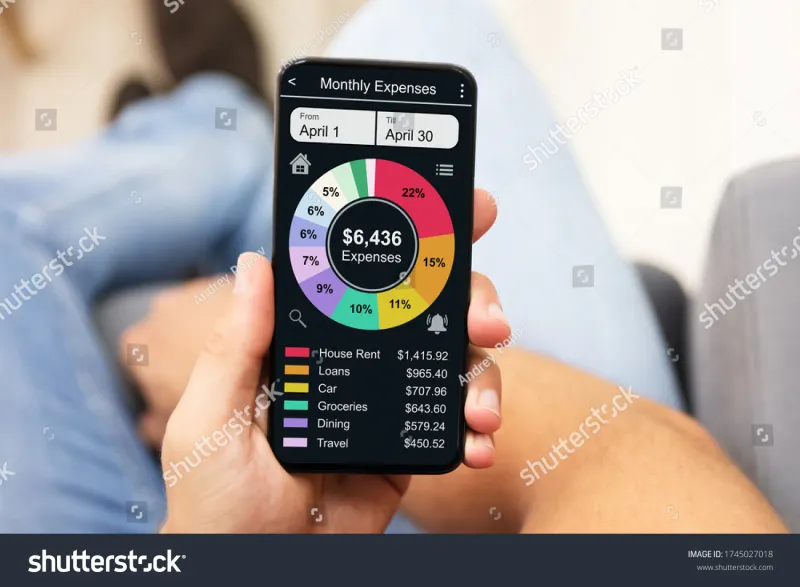
Photo: person checking budget on smartphone with slot machine in background, via www.shutterstock.com
It's Friday night, the week chewed you up, and you've got $60 burning a hole in your casino wallet. You open the lobby and — there it is — a flashy high-volatility jackpot slot promising a five-figure drop. Three hundred spins later, you're down to $12 and wondering what happened.
What happened is simple: you matched the wrong game to the wrong budget. Volatility is the hidden dial on every slot, and most American players never touch it. Let's fix that.
What Volatility Actually Means (Without the Math Degree)
Volatility — sometimes called variance — describes the shape of a slot's payouts, not how much it pays overall. That second part is governed by RTP, which we've covered before. Two games can both return 96% over the long run while feeling completely different in a single sitting.
- Low volatility: Frequent small wins. Your balance drifts down slowly like a lazy river. Sessions last longer, jackpots stay modest.
- Medium volatility: A mixed bag. Dry stretches punctuated by decent hits. The middle ground most players should probably live in.
- High volatility: Long, brutal droughts and rare, massive payouts. This is where the nohu-style progressive jackpots — the ones Vietnamese players made famous — tend to live.
The catch with high-variance games is psychological as much as mathematical. Because the wins are rare, your brain starts treating every spin as the spin. That's how a $100 entertainment budget becomes a $300 chase.
The Paycheck Test: A Three-Question Framework
Before you pick a game, answer these honestly:
1. How much can you lose without flinching? Not your rent money — we mean the amount that, if it vanished tonight, wouldn't ruin your weekend. Call this your session bankroll.
2. How long do you want to play? Forty-five minutes of entertainment and two hours are very different goals.
3. What are you actually chasing? Steady action and bonus-round frequency, or one genuine shot at a life-changing hit?
Now match the answers:
- Small bankroll + long session + steady fun = low volatility
- Moderate bankroll + flexible session + balanced goals = medium volatility
- Larger bankroll + short session + jackpot-or-bust mentality = high volatility
What Realistic Sessions Look Like
Let's put actual numbers on it, using a $100 session bankroll at roughly $0.50 per spin (200 spins' worth of budget).
Low-volatility nohu-style title: Expect a win on 25–35% of spins, mostly small. Your $100 might carry you 400–600 spins, and a typical "good" session ends somewhere between down $40 and up $60. The ceiling is low; so is the pain.
Medium-volatility title: You'll hit dry spells of 30–40 spins without a meaningful return, then land a bonus round paying 40x–100x your bet. Your $100 gets you a genuine rollercoaster — up $150 at one point, down to $30 ten minutes later. Ending anywhere from -$100 to +$200 is normal.
High-volatility jackpot slot: Plan for 60–100+ spin droughts. Your $100 can evaporate in fifteen minutes without ever triggering the feature. But a single bonus round or progressive drop can pay 500x to 5,000x your bet. This is the game that produced those viral jackpot clips — and the game that quietly drained a thousand wallets to make one of them.
The Bad-Day Rule
Here's the piece nobody puts in the paytable: your mood should influence your volatility choice as much as your budget does.
After a rough week, the temptation is to go big — to buy a shot at redemption with one high-variance jackpot slot. That's the single most expensive impulse in gambling. High-volatility games demand patience and emotional tolerance for losing streaks, and you have less of both when you're already tilted.
The counterintuitive move: when you're stressed, drop down a volatility level. Low-variance games give you more spins, more small dopamine hits, and less chance of a session-ending spiral. Save the jackpot hunt for a day when a dead balance won't sting.
Finding a Game's Volatility (When Nobody Prints It)
Few slots advertise their variance rating, so become a detective:
- Check the paytable spread. A top prize of 500x your bet signals low-to-medium volatility. A 50,000x ceiling screams high.
- Count the paylines versus the features. Games stacked with multipliers, cascading reels, and progressive jackpots are almost always high variance.
- Use community data. Slot review sites and player forums routinely publish variance ratings — cross-check two sources before committing.
- Do the 30-spin test. A short trial run tells you more than any marketing copy. (We've written a whole ritual around this.)
The Bottom Line
Volatility isn't good or bad — it's a fit question. A high-variance nohu jackpot slot with a $200 bankroll and a patient mindset can be a blast. The same game with $40 and a bad attitude is a donation machine.
Match the dial to the paycheck. Your future self, still holding half a bankroll at midnight, will thank you.