Lucky Sevens Never Die: The Strange Staying Power of 777 Slots in America
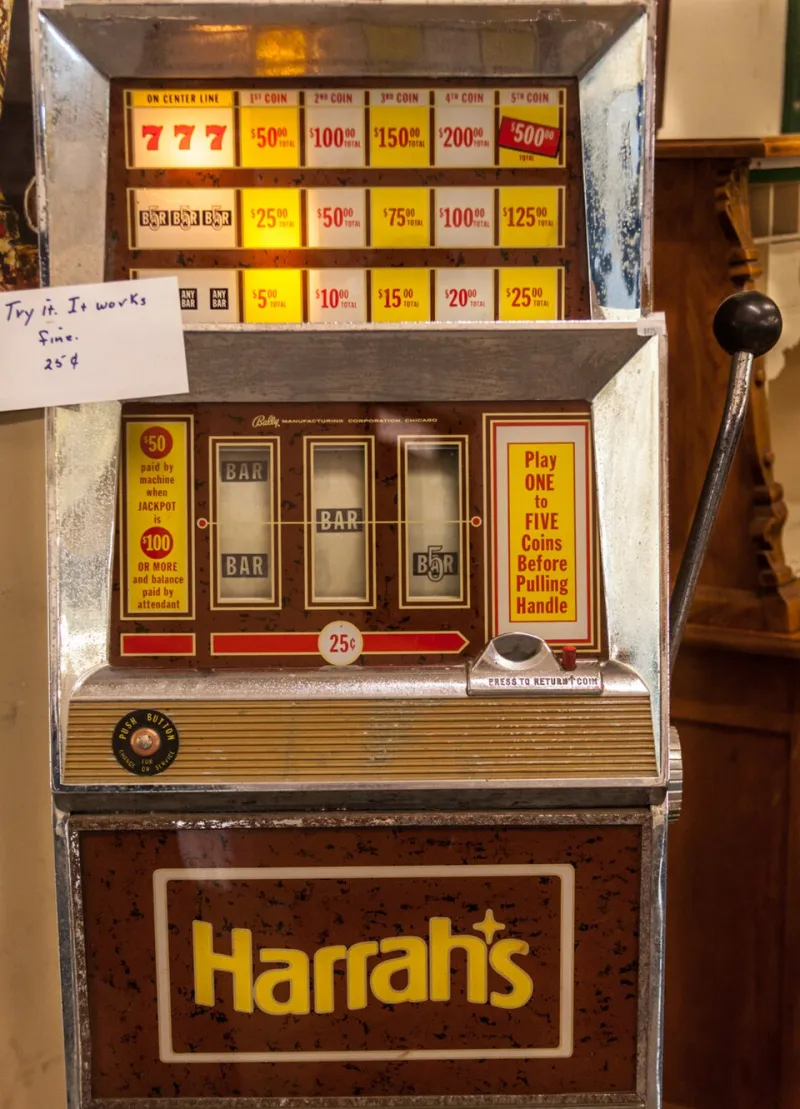
Photo: Paul VanDerWerf from Brunswick, Maine, USA, CC BY 2.0, via Wikimedia Commons
Walk onto any casino floor in Las Vegas, Atlantic City, or a riverboat in Iowa, and you'll see it within seconds: three sevens, glowing in red and gold, promising everything. The symbol has outlasted coin tosses, smoking sections, and at least four generations of gaming technology. And now it's having a second life online — including on nohu-style jackpot platforms, where the 777 aesthetic is practically the house uniform.
So why has one number refused to fade? The answer is part psychology, part mathematics, and part pure American showmanship.
A Symbol Born From Simplicity
The number 7 wasn't chosen by accident. Early slot machines needed a top symbol that felt lucky without any cultural homework — no fruit logic, no bell history. Seven carried centuries of good fortune baked in: seven days of the week, seven wonders, seven seas. When Charles Fey's Liberty Bell descendants needed a jackpot symbol, seven was the obvious pick.
The triple-seven combo then became shorthand for the big one. Hitting 7-7-7 on a mechanical reel meant you'd maxed out the machine. That association — sevens equal ceiling — has never really broken, even though modern slots work nothing like those old three-reelers.
The Math Behind the Shine
Here's where it gets interesting. Vintage 777 machines were brutally simple: three reels, one payline, and odds you could roughly calculate in your head. Today's 777-themed video slots run on RNG software with 5 reels, dozens of paylines, and RTP percentages printed in the paytable.
That matters for US players shopping for value. Many modern 777-style online slots publish RTPs in the 95%–97% range, which is competitive with — and sometimes better than — the floor slots at many regional US casinos. The trick is that higher RTP doesn't mean higher hit frequency. Some of these games pay small and often; others hoard the money for a monster triple-seven payout.
Nohu-style platforms add another wrinkle: progressive and timed jackpot pools layered on top of the base game. A 777 symbol triggering a shared jackpot drop is a design choice that borrows the old Vegas fantasy and bolts a modern community prize onto it.
Nostalgia Is a Feature, Not a Bug
Game developers know exactly what they're doing. The 777 aesthetic — chunky fonts, cherry accents, that metallic reel clunk — signals simplicity in a market drowning in elaborate branded slots. For players tired of 15-minute bonus rounds and cinematic cutscenes, a 777 game says: you'll understand this in ten seconds.
It's the same reason classic rock stations still chart and why retro diners keep opening. Familiarity lowers friction. In slots, lower friction means longer sessions, which is precisely what operators want and, honestly, what a lot of players want too.
What to Look For in a 777 Slot Today
If you're browsing 777-themed games at a US-friendly online casino, treat it like any other purchase decision:
- Check the RTP. Anything at 96% or above is solid. Below 94% and you're paying a nostalgia tax.
- Check volatility. Low-volatility 777 games stretch a session; high-volatility ones chase that classic single-spin jackpot feeling.
- Look for jackpot layers. On nohu-style platforms, some 777 games feed hourly or daily prize pools — more on that in our upcoming jackpot explainer.
- Mind the max bet requirement. Some progressive 777 slots only pay the top prize at max bet. If you won't bet max, pick a different game.
The Bottom Line
Triple sevens endure because they never promised anything complicated. One spin, three symbols, one dream. Modern online versions wrap that fantasy in better math, smoother graphics, and — on jackpot platforms — prize pools that would make a 1950s one-armed bandit blush.
The 777 isn't a relic. It's the genre's north star. And as long as players want a game they can understand at a glance, those three red numbers will keep spinning — on Fremont Street and on your phone alike.
Play responsibly. Slots are entertainment, not income. If gambling stops being fun, call 1-800-GAMBLER.