That Little Info Button Is Lying to You (Or Saving You): A 60-Second Paytable Breakdown
Here's a confession from the slots floor: most players spend more time picking a username than checking a game's math. And honestly? The casino is fine with that.
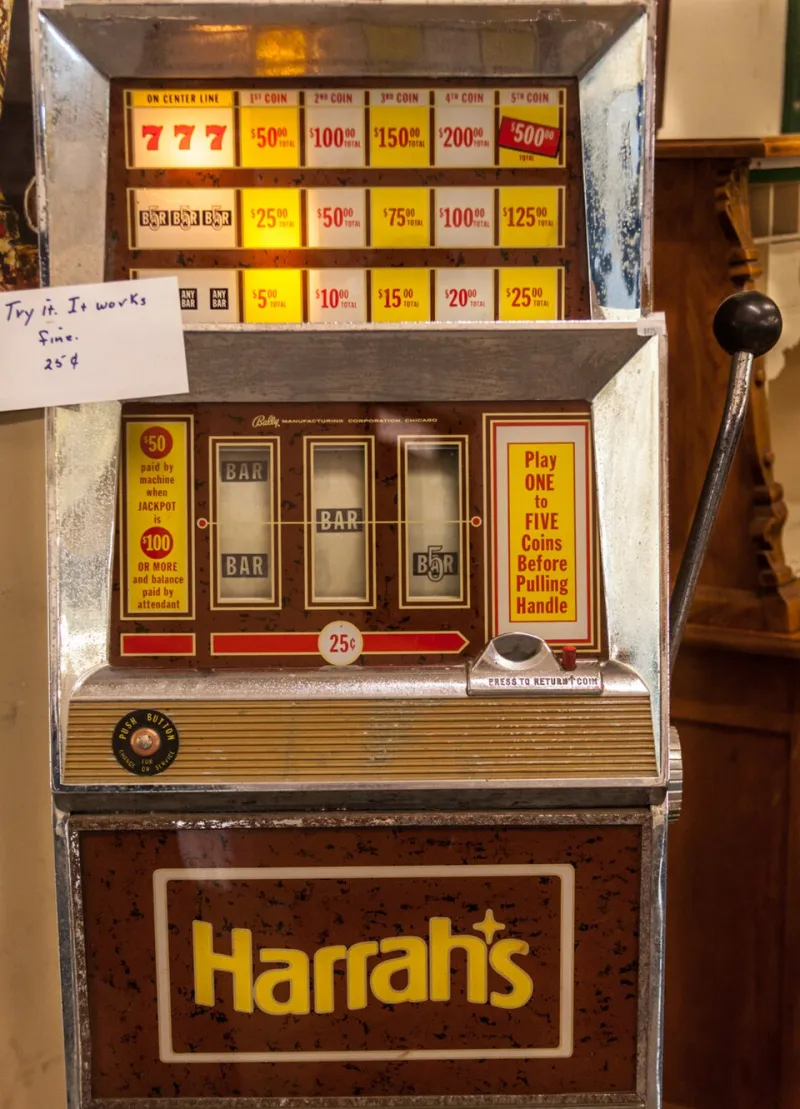
The paytable screen — that little "i" or hamburger menu icon sitting in the corner of virtually every slot — is the single most underused tool in an American gambler's arsenal. It tells you what a game actually pays, how often it tends to pay, and whether that jackpot you're chasing is a sprint or a marathon. Today we're turning you into someone who reads the fine print before the reels move.
RTP: The Number Everyone Quotes and Nobody Understands
Return-to-player, or RTP, is the percentage of all wagered money a slot pays back over a very long time. We're talking millions of spins, not your Tuesday night session.
A nohu-style jackpot slot might advertise 96.5% RTP. That doesn't mean you get $96.50 back on a $100 deposit — it means that across the entire player base, over the game's lifetime, that's the average return. Your individual session can swing wildly in either direction. That's not a bait-and-switch; that's just how probability works.
What RTP is good for is comparison shopping. If one jackpot slot clocks in at 94% and a similar one sits at 96.5%, that 2.5% difference is real money over hundreds of spins. In a market flooded with instant-play titles, it's the closest thing slots have to a price tag.
One wrinkle worth knowing: some games list a range, like "94.0% – 96.5%," because operators can choose which configuration to run. Check the actual figure displayed in the game's info screen, not just the marketing copy on the lobby tile.
Volatility: Are You Building Sandcastles or Skyscrapers?
If RTP tells you how much a game pays back, volatility (sometimes called variance) tells you how it pays back.
Low volatility games drip out small wins frequently. Your balance erodes slowly, and sessions last longer. Think of it as renting your entertainment.
High volatility games hoard the money and dump it in chunks. Long dry spells, then a bonus round that triples your stake in one hit. Nohu-style jackpot slots tend to live here — the whole appeal is that occasionally life-changing top prize.
Neither is objectively better. But there's a nasty failure mode when they're mismatched: a player with a $50 bankroll grinding a high-volatility jackpot game at $2 a spin. The math says they'll likely bust before the game's features ever trigger. That's not bad luck — that's a bad fit.
Hit Frequency: The Stat Nobody Talks About
Buried deeper in some paytables is hit frequency — the percentage of spins that return any win. A game with a 25% hit rate pays out on roughly one in four spins, even if that win is a fraction of your bet.
Here's why it matters: a 96% RTP game with a 40% hit frequency feels completely different to play than a 96% RTP game with a 15% hit frequency, even though they return the same amount over time. One feeds you constant little wins; the other starves you and pays in bursts. If you've ever wondered why one slot "feels lucky" and another feels like a slot machine in the worst sense — this stat is usually why.
The 60-Second Pre-Spin Checklist
Before your next session, run this drill. It genuinely takes under a minute:
- Open the info/paytable screen. Ten seconds, tops.
- Find the RTP. Anything at 96% or above is solid for online play. Note the exact figure, not the range.
- Check max win and jackpot structure. Fixed top prize? Progressive pool? Timed drop? This tells you what you're actually playing for.
- Scan the feature triggers. How many scatter symbols unlock the bonus round? If it takes five and the game is high volatility, budget accordingly.
- Match the volatility to your bankroll. Rule of thumb: your session bankroll should cover at least 100 spins at your chosen bet size on a high-volatility game.
That's it. Five steps, one minute, and you've done more due diligence than the vast majority of players on any given night.
Knowledge Doesn't Guarantee Wins — But It Kills Bad Bets
Let's be clear about what this doesn't do. Reading a paytable won't make a negative-expectation game profitable, and no checklist beats the house edge. Slots are games of chance, full stop.
What paytable literacy does do is eliminate the worst kind of losses — the ones that come from betting $2 a spin on a game your budget was never shaped for, or grinding a 92% RTP title when a 96.5% alternative was one tap away. In gambling, information doesn't tilt the odds. It just stops you from beating yourself.
The next time you load up a nohu-style jackpot slot and that finger hovers over the spin button, take the sixty seconds first. Your future bankroll will send its regards.